
GBV Is Everyone's Responsibility: Justice for Survivors Reaches Kigogo
Gender based violence is not a private matter. It is a human rights issue, and preventing it is everyone's responsibility.
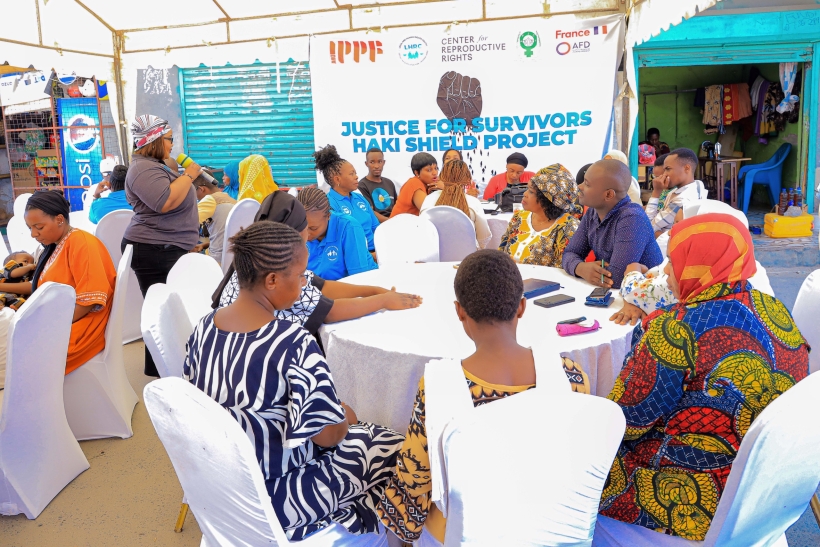
On 13 August 2026, the Legal and Human Rights Centre (LHRC), through the HAKI SHIELD Project, Justice for Survivors (J4S), conducted a GBV awareness session in Kigogo, reaching more than 50 community members.
Who was in the room
The session brought together the Gender and Children's Desk from Kinondoni Police, a Social Welfare Officer, healthcare officials, a clinical psychologist, religious leaders, LHRC lawyers, and our paralegal team, to strengthen community knowledge on prevention, survivor support, reporting, and referral pathways.
What happens after GBV is reported
Participants learned about the importance of timely reporting and preserving evidence, particularly in cases of sexual violence. Survivors were encouraged to seek medical care as soon as possible and, where possible, avoid actions such as bathing or changing clothes before a medical examination, since these can affect the preservation of forensic evidence, including DNA analysis. Police and health providers explained their roles in evidence collection and survivor support.
Can GBV be identified before it escalates
The discussion explored warning signs and risk factors within families and communities, encouraging people to speak up, intervene safely, and report suspected cases early.
Protecting children starts at home
The session emphasized positive values, responsible parenting, and parents and caregivers taking an active interest in their children's lives and wellbeing. Parents were encouraged to build safe spaces where children, especially girls, can speak freely about their experiences, concerns, and any inappropriate behaviour they encounter. Caring, listening, guidance, and close attention can help identify risks early and prevent violence and abuse against children.
The invisible wounds
A clinical psychologist highlighted the psychological and emotional effects of GBV, including fear, trauma, anxiety, isolation, and loss of confidence, and emphasized that survivors should not suffer in silence and can seek professional psychosocial support.
Where a survivor can get help
Participants were guided on available legal aid, police, health, psychosocial, and social welfare services, and the importance of coordinated, survivor centred support.
The message was clear. Children need protection, guidance, care, and someone they can trust. GBV should never be hidden, normalized, or tolerated.
Preventing GBV requires more than responding after violence occurs. It requires strong families, responsible parenting, positive values, vigilant communities, and duty bearers who act promptly to protect survivors and children.
Together, let us build communities where children are safe, survivors are supported, violence is reported, and every person's dignity and rights are protected.
GBV should never be hidden, normalized, or tolerated.
#JusticeForSurvivors # EndGBV

